Featured
The Pros and Disadvantages When Considering Debt Forgiven...
8 Simple Techniques For Understanding Your Rights Concern...
9 Easy Facts About What to Expect Throughout the Bankrupt...
Our Economic Conditions Impacting How More Families Need ...

The Ultimate Guide To How New Platforms Is Making Debt Relief Better
Table of Contents
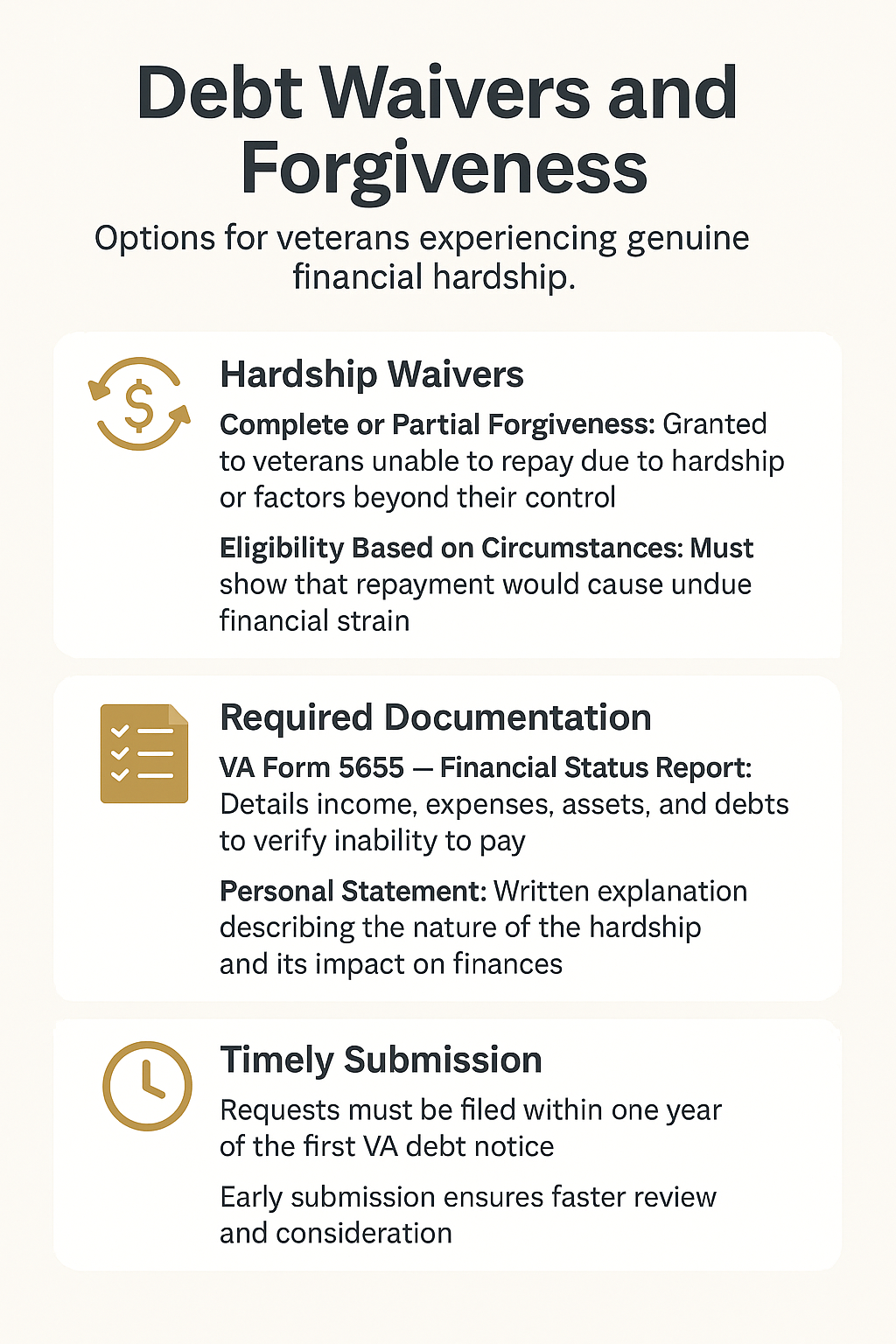
The therapist will certainly examine your finances with you to determine if the program is the right choice. The review will certainly consist of a take a look at your regular monthly revenue and expenses. The company will certainly pull a credit scores record to comprehend what you owe and the extent of your challenge. If the mercy program is the finest solution, the counselor will send you an agreement that details the plan, consisting of the quantity of the regular monthly settlement.
If you miss a payment, the contract is nullified, and you should exit the program. If you assume it's a great alternative for you, call a therapist at a not-for-profit credit scores therapy agency like InCharge Financial obligation Solutions, that can address your questions and assist you identify if you certify.
Due to the fact that the program enables debtors to work out for less than what they owe, the financial institutions that participate want peace of mind that those who make the most of it would not have the ability to pay the total. Your charge card accounts additionally should be from financial institutions and credit score card business that have actually accepted get involved.
Balance needs to go to least $1,000.Agreed-the balance should be paid off in 36 months. There are no expansions. If you miss out on a payment that's just one missed out on payment the agreement is ended. Your creditor(s) will certainly cancel the strategy and your equilibrium goes back to the initial quantity, minus what you have actually paid while in the program.
Being Cautious Against Unethical Operators Fundamentals Explained
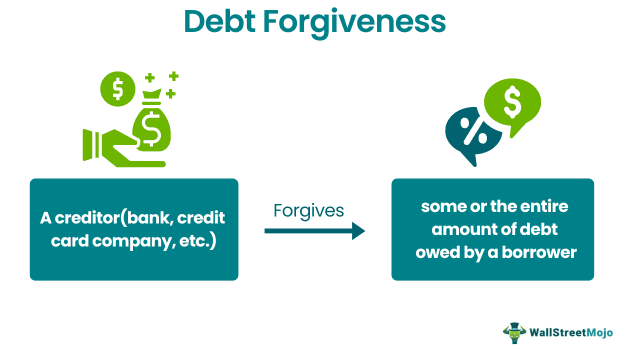
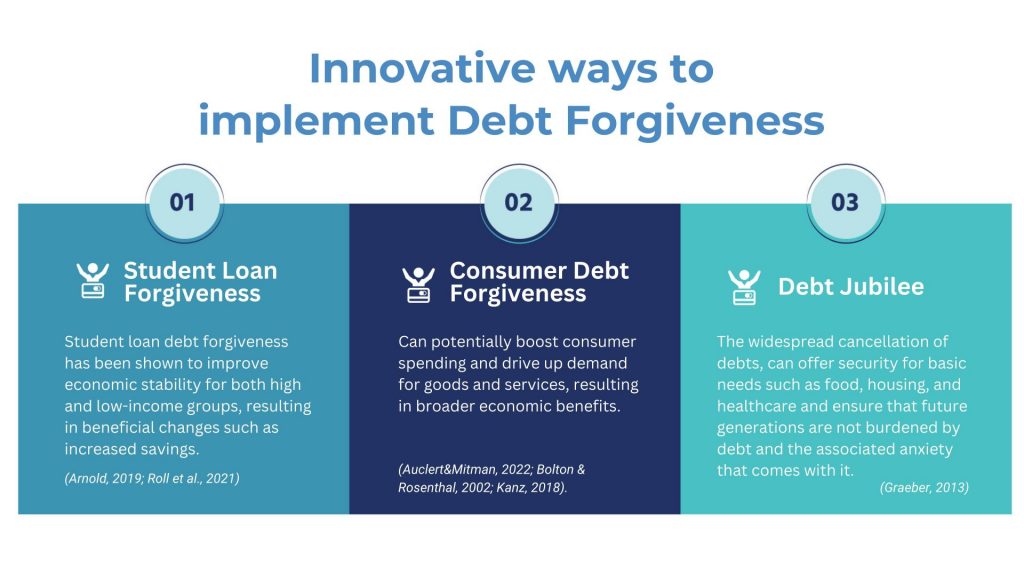
With the mercy program, the financial institution can instead select to maintain your debt on the publications and recover 50%-60% of what they are owed. Nonprofit Charge Card Financial debt Forgiveness and for-profit financial debt settlement are similar because they both offer a method to settle charge card financial obligation by paying much less than what is owed.
Credit history card mercy is developed to set you back the customer less, repay the financial obligation quicker, and have fewer downsides than its for-profit counterpart. Some key locations of difference between Credit history Card Debt Mercy and for-profit financial debt negotiation are: Debt Card Financial obligation Forgiveness programs have partnerships with lenders who have concurred to take part.
Once they do, the payoff period begins immediately. For-profit financial debt negotiation programs work out with each financial institution, typically over a 2-3-year duration, while interest, fees and calls from debt collection agencies continue. This indicates a bigger appeal your credit record and credit report, and a raising balance till negotiation is completed.
Debt Card Financial debt Forgiveness customers make 36 equal month-to-month payments to eliminate their financial debt. For-profit debt settlement clients pay into an escrow account over an arrangement period towards a swelling amount that will certainly be paid to lenders.
Getting My Developing Post-Bankruptcy Financial Plan That Protects You To Work
Telephone calls from financial debt enthusiasts proceed and creditor-reported non-payments continue to harm the customer's credit history report. Enrollment in a Credit Card Debt Mercy quits calls and letters from debt collection and recovery companies for the accounts included in the program.
For-profit financial debt settlement programs don't quit collection activities until the lump-sum repayment is made to the lender. Nonprofit Credit Scores Card Financial obligation Mercy programs will tell you up front what the regular monthly cost is, capped at $75, or much less, relying on what state you stay in. For-profit financial obligation settlement companies might not be clear regarding charge quantities, which often are a percentage of the balance.
Things about Long-Term Impact on Online vs Phone Bankruptcy Counseling: Pros Choices
For-profit debt negotiation likely will injure it much more, given that you will not be paying creditors throughout the 2-3 year negotiation/escrow period, yet they haven't consented to a plan or obtained any type of money, so they're still reporting nonpayment. This is on top of the credit history struck from not paying the complete amount.
For the most part, financial obligation consolidation also comes with a lower rate of interest than what you were paying on your charge card, making the regular monthly expenses, as well as total expenses, less. Charge card financial obligation consolidation's most common types are financial obligation monitoring strategies, debt consolidation fundings, or a zero-interest transfer bank card.
To obtain a debt consolidation funding or a zero-interest equilibrium transfer credit report card, you need a credit rating of at least 680. Higher. If your accounts are billed off, your credit rating is likely well below that. Credit report rating isn't an aspect for debt monitoring program, but you require an enough revenue to be able to make a month-to-month payment that will cover all of the accounts consisted of in the program.
Personal bankruptcy is the last resort for someone that has even more debt than they can pay. It can be the action you take in order to stay clear of bankruptcy.
The Main Principles Of Your Protection
Insolvency will remove all qualified unsecured debt. Credit History Card Financial obligation Mercy will certainly have an adverse influence on your credit rating rating because full balances on accounts were not paid.
Credit Scores Card Financial debt Mercy repayments begin as quickly as you're accepted into the program. Personal bankruptcy authorization and discharge can take 6-12 months. Collection activities and legal actions on Credit Card Debt Forgiveness clients are quit when creditors agree to the plan. Declare insolvency sets off an automatic stay on collection actions and suits, and offers defense from harassment by financial institutions, but if the court does not accept the bankruptcy, those will begin up again.

Table of Contents
Latest Posts
The Pros and Disadvantages When Considering Debt Forgiveness for Beginners
8 Simple Techniques For Understanding Your Rights Concerning Bankruptcy Proceedings

9 Easy Facts About What to Expect Throughout the Bankruptcy Experience Explained
More
Latest Posts
The Pros and Disadvantages When Considering Debt Forgiveness for Beginners
8 Simple Techniques For Understanding Your Rights Concerning Bankruptcy Proceedings
9 Easy Facts About What to Expect Throughout the Bankruptcy Experience Explained